
Tours of Ireland. Polish House in Galway
15. stycznia gościliśmy w Domu Polskim im. Pawła Edmunda Strzeleckiego. Poniżej kilka zdjęć z naszego spotkania. Zapraszamy również na relację na naszym Instagramie oraz na […]


15. stycznia gościliśmy w Domu Polskim im. Pawła Edmunda Strzeleckiego. Poniżej kilka zdjęć z naszego spotkania. Zapraszamy również na relację na naszym Instagramie oraz na […]
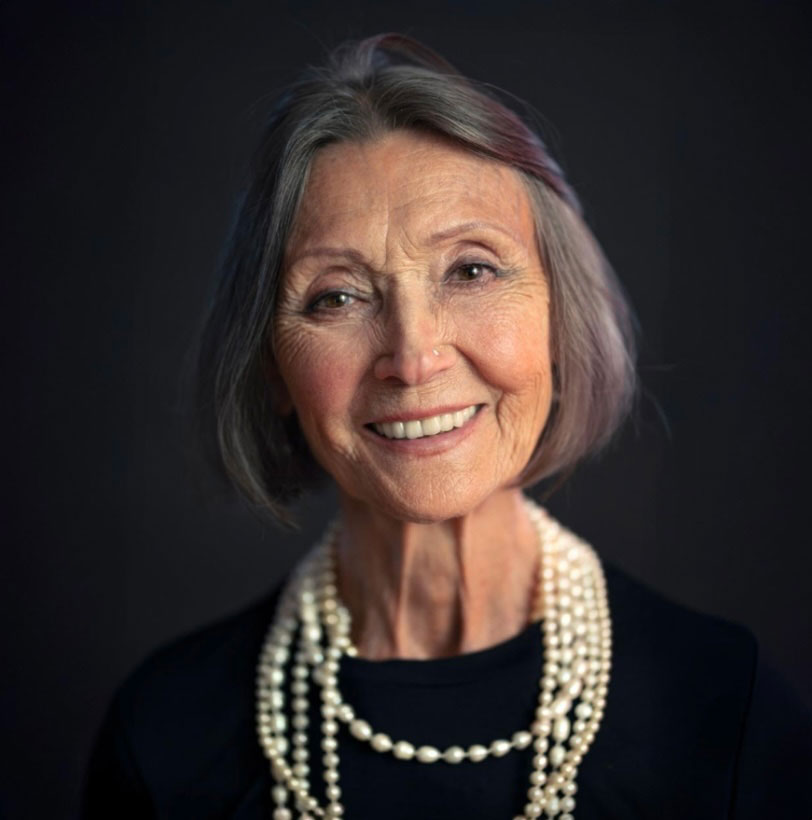
Dr Ewa Woydyłło-Osiatyńska – psychologist, addiction therapist and publicist in a conversation about depression Kasia Mikolajczyk: Ms. Ewa, I am very happy that we can meet

a recipient of the Obama Fellowship, co-founder of the Migrant Women's Library project, and currently the Chief Executive Officer of the Immigrant Council of Ireland. (The full interview can be listened to in the Radio Cenzura archive) Kasia

Kasia Mikolajczyk: What was your emigration journey like? What made you come to Ireland? Krystyna Pycińska-Taylor: My story is very simple – I came here for love.

Depression is one of the most common mental disorders of the 21st century. According to the World Health Organisation, it affects over 5% adults worldwide. Those living in particular are particularly vulnerable
ADVERTISEMENTS


